
:format()//media/social-media-roundup-for-higher-education-fall-2026-RQ.png)
Another season, another round of social media changes.
Some are feature updates, some point to something bigger.
Across the major platforms, we’re seeing more AI behind the scenes, more emphasis on original content, and more effort to keep users inside communities rather than simply scrolling a feed.
Here’s what’s changed since the summer.
Instagram is testing where social content can go next
Instagram launched Instants in May, allowing users to share unedited, in-the-moment photos privately with Close Friends or mutual followers.
Then in June, Instagram expanded its TV experience, adding Samsung TV support and testing features including interest-based channels, casting Reels, Stories on TV and longer-form viewing.
That’s quite a shift from the Instagram we’re used to.
For universities and colleges, it’s another reminder that Instagram content doesn’t necessarily begin and end in the mobile feed.
There’s still room for the quick, unpolished campus moment, but the platform is also experimenting with bigger screens and longer viewing.
Facebook is putting AI into content creation and search
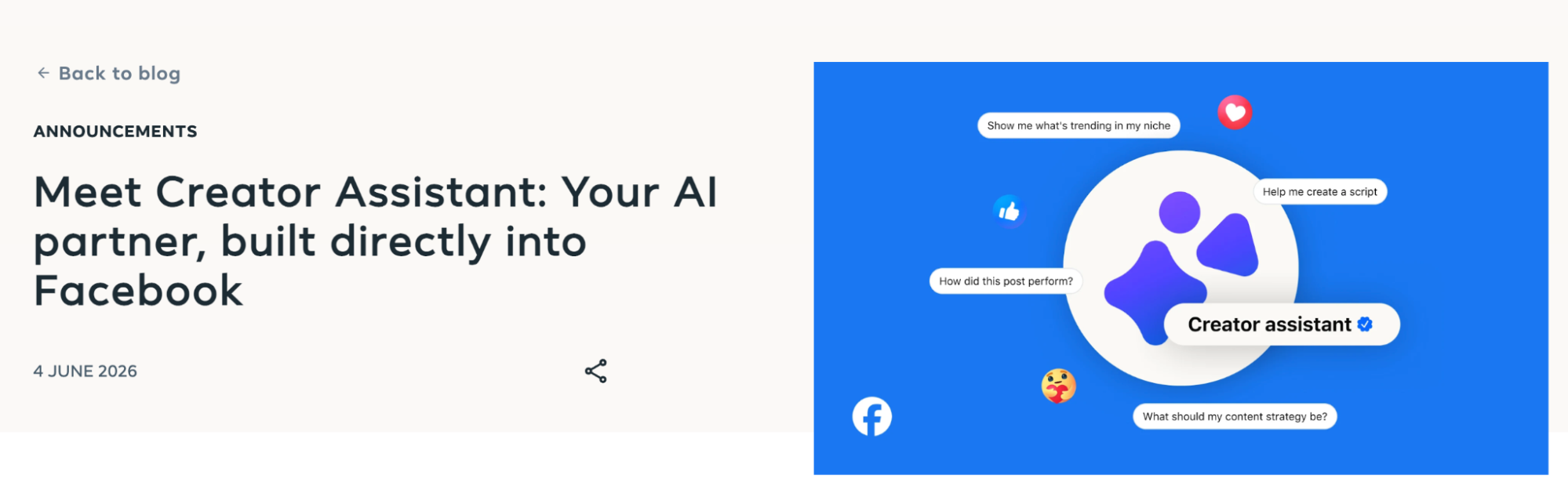
Facebook introduced Creator Assistant in June, giving creators personalised suggestions based on their content, audience and performance.
Recently, Meta also announced AI Mode for Facebook search, using publicly shared content from areas such as Groups and Reels to help answer questions.
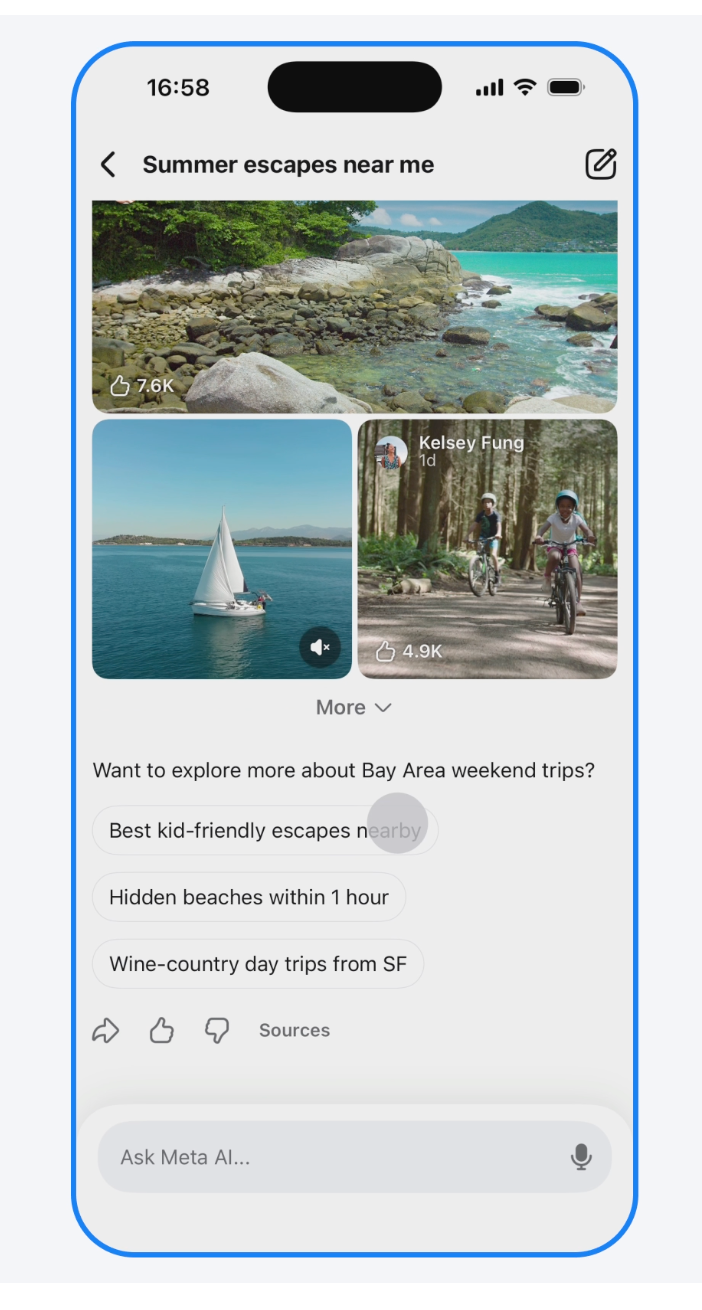
A Reel answering a common question about accommodation, student life, or a course could do more than perform well on the day it’s posted.
It may also become part of how students discover information later.
Threads is leaning harder into communities
Threads passed 500 million monthly active users in June and announced a series of community-focused updates.
Communities moved out of beta, the platform introduced a Communities Hub and expanded Live Chats.
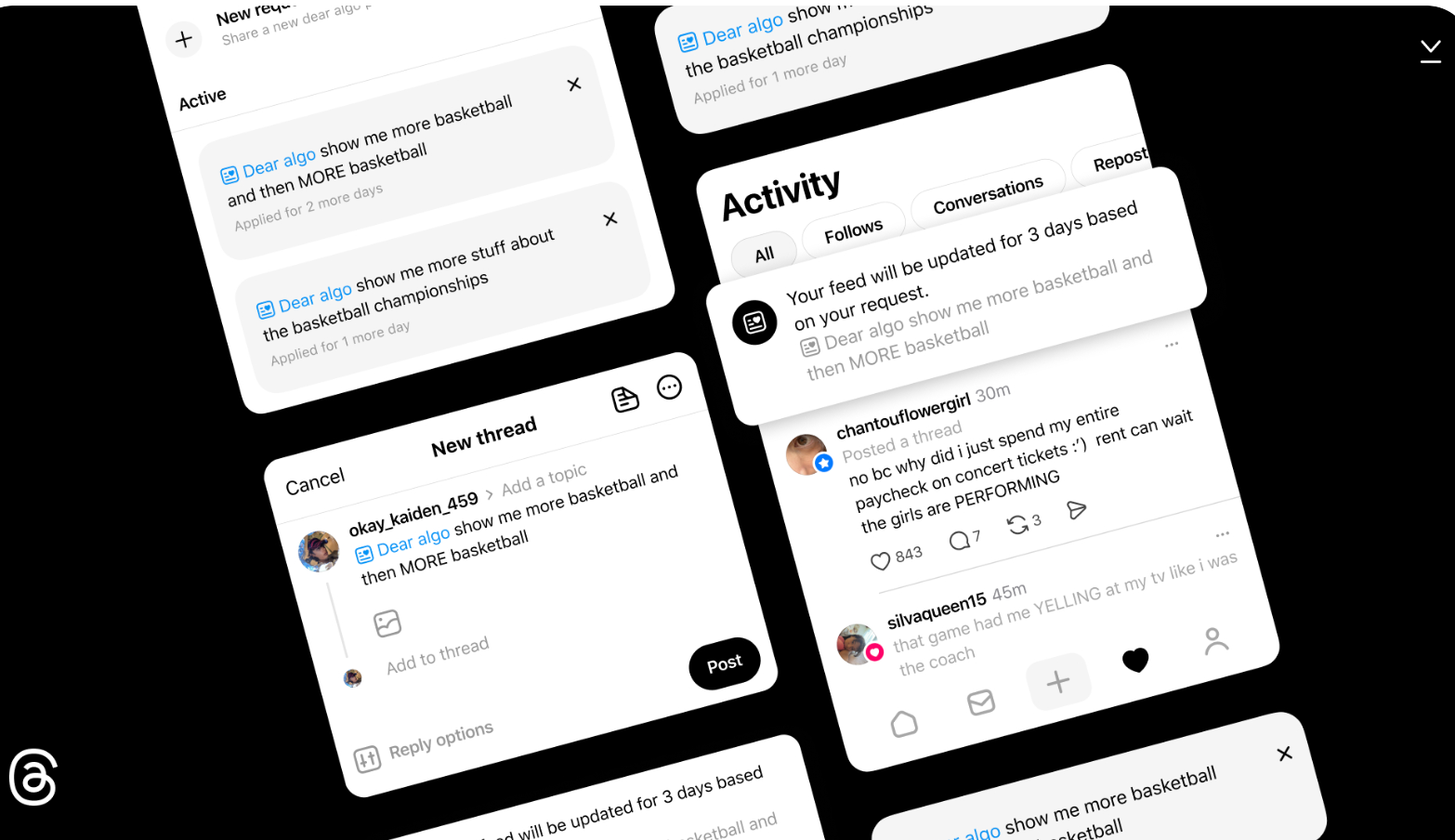
Your Algo (Dear Algo) also gives users more control over the subjects they want to see.
For higher ed, Threads may be most useful where you already have strong communities: research areas, student interests, sport, careers or subject-specific conversations.
It feels less like another place to repost institutional news and more like somewhere people gather around particular topics.
TikTok is adding more AI, but people still make the platform interesting
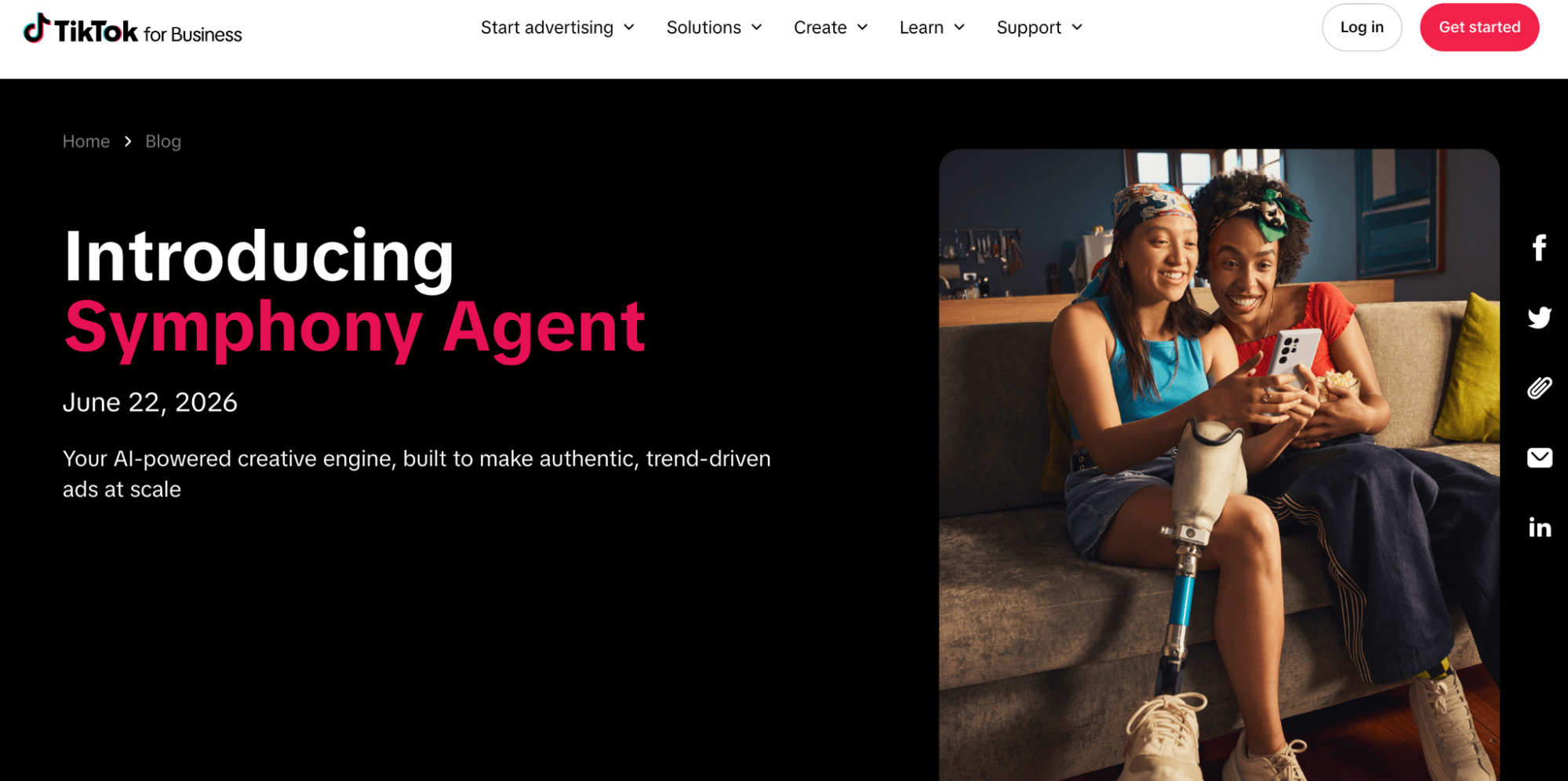
TikTok introduced Symphony Agent in June, designed to help marketers turn audience and cultural insights into ideas and TikTok-native creative.
At the same time, its biggest summer moments were still driven by creators and participation.
TikTok reported more than 1.2 trillion views of World Cup-related content by July, helped by creators, fan content and behind-the-scenes access.
We think there's a useful lesson in there: AI can help a social team move faster, but the content people want to watch still tends to have a person, experience or point of view at the centre of it.
YouTube Shorts is getting more useful
YouTube continued developing Shorts over the summer, including custom thumbnail options for eligible creators.
It also changed how views are counted. A view now starts from the first frame, while the previous measurement has become an engaged view.
This should make reporting a little more useful. A large view count tells you a Short started playing. Engaged views give a better indication of whether people actually stayed.
For higher ed teams using Shorts for campus tours, student stories, or course content, those numbers are worth checking.
YouTube also extended that same first-frame counting to long-form videos, live streams, and podcasts. This wasn't new for Shorts itself, just newly applied to the rest of YouTube.
LinkedIn is making collaboration easier
LinkedIn launched Collaborative Posts globally in July.
Members and Company Pages can now co-author posts with up to five collaborators across formats including video, images, documents and polls.
There are plenty of obvious higher-ed uses: research partnerships, alumni stories, employer collaborations, student projects or joint event coverage.
Instead of one institutional account talking about a partnership, the people involved can publish it together.
LinkedIn has also been increasingly vocal about limiting low-effort AI-generated material, which makes those real voices even more valuable.
X is rewarding original content
X began replacing its existing Creator Revenue Sharing scheme with Original Content Rewards over the summer.
New enrolments to the old scheme stopped in August, with the replacement programme beginning to roll out in September.
The name tells you quite a lot about the direction of travel.
X wants creators producing original material rather than relying on reposts or recycled content. The platform also added more video editing tools in July to support that.
Whether X is still a priority channel for your institution will depend on your audience, but its creator strategy now has a much clearer emphasis on originality.
Snapchat is taking an even firmer line on AI content
Snapchat made one of the clearest statements of the summer.
In July, Snap said Spotlight recommendations would increasingly prioritise authentic, human-made creativity, and wholly AI-generated videos would no longer qualify for Spotlight recommendations.
That's pretty much what we see happening elsewhere.
AI is becoming more common in the production process, but platforms are becoming less enthusiastic about feeds full of generic AI-made content.
If you have a good student ambassador program, you'll be in a good place.
Pinterest is making discovery more conversational
Pinterest announced a new set of AI tools in June, including Business Assistant, more Performance+ capabilities, and a limited-access Ask Pinterest app.
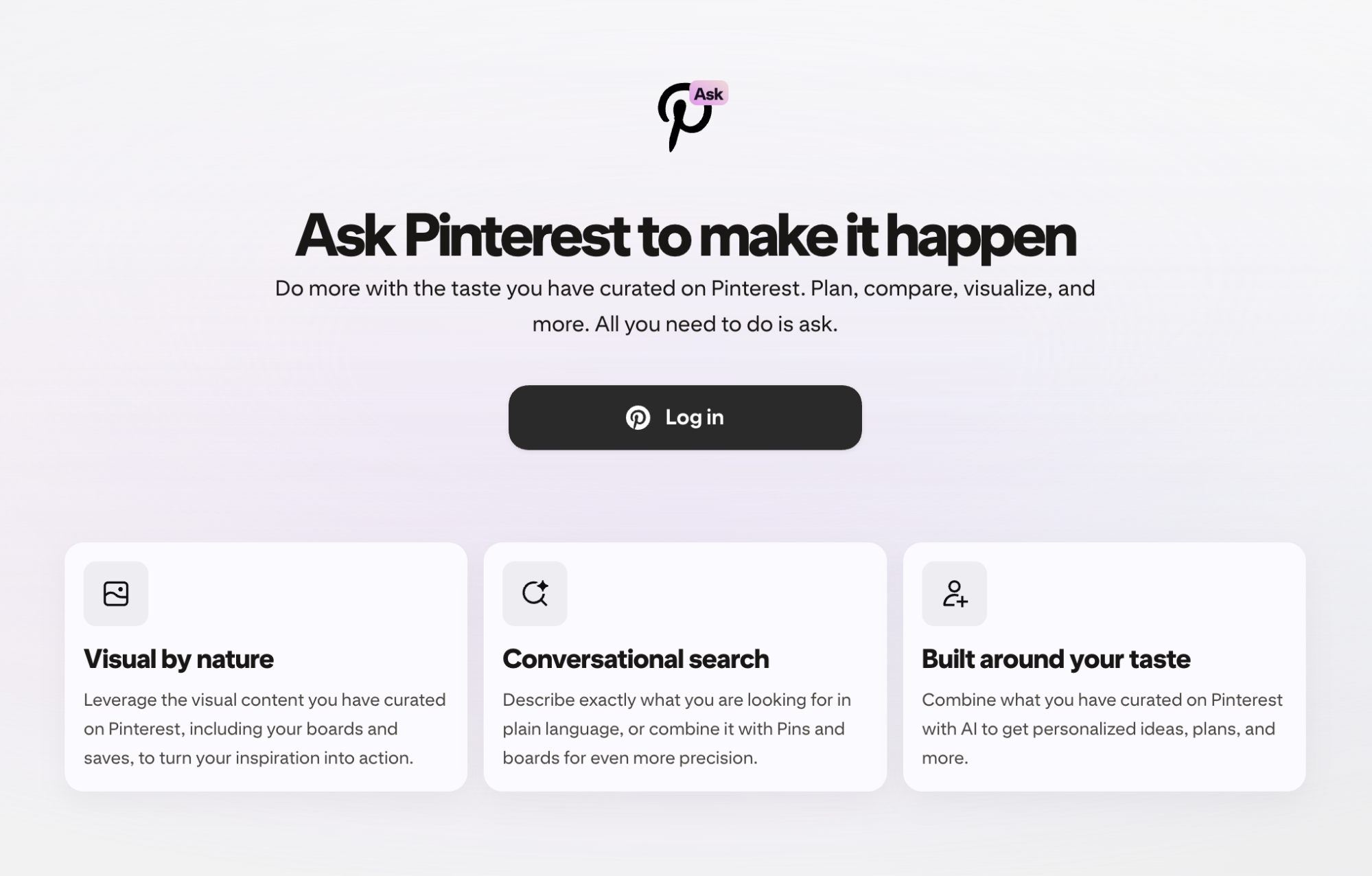
Pinterest has always sat somewhere between a social network and a visual search engine, so conversational discovery makes sense.
For universities and colleges, this could be useful for your highly visual searches for campus life, accommodation, student cities, design work, study spaces, or student inspiration.
What does all this add up to?
Three themes keep coming up for us.
- Original content is getting more valuable. LinkedIn, X and Snapchat are all signalling that generic, recycled or fully AI-generated content is less desirable.
- Social is becoming more searchable. Facebook and Pinterest are building AI into discovery, which gives useful posts a life beyond the feed.
- Communities are becoming more important. Threads is organising around interests, TikTok continues to thrive on participation, and collaborative tools are making it easier for different voices to appear together.
There’s plenty of new technology in the mix, but the strongest social content still looks surprisingly familiar: real people, useful information, and something worth saying.
What changes have you noticed on your institution’s social channels this summer, and which platform are you watching most closely this autumn? Share it with us on LinkedIn.