
:format()//media/Driving-global-student-recruitment-beyond-language-rq.png)
Simply speaking, someone's native language isn't the same as fully understanding their culture.
In higher education marketing, cultural fluency—the ability to connect with students through shared values and experiences—extends beyond word-for-word translations and stock photos of diversity.
Language fluency ensures comprehension and clarity, but cultural fluency drives connection and conversion.
Here are five tips to promote authentic cultural representation and speak to potential students from all over the world.
1. Prioritize cultural fluency over translation
Higher ed marketers can succeed in connecting with international and domestic students by moving beyond language and highlighting cultural understanding and nuances, such as values, traditions, family dynamics, and even food.
But it's crucial to avoid monolithic, one-size-fits-all marketing strategies, lumping all students into a single multicultural bucket.
A recruitment campaign for potential students in East Asia has to be different from one for Western Europe. So, use approaches, imagery, and language that reflect specific cultural contexts.
For example, cultures that tend to emphasize individualism, including many societies in North America and Western Europe, often place a high value on personal achievement and self-reliance. In contrast, cultures that tend to emphasize collectivism, like many societies across parts of Asia, Africa, and Latin America, often place greater emphasis on family, community, and interdependence.
UC Riverside's College of Humanities, Arts, and Social Sciences (CHASS) launched a campaign that prioritizes familismo, a core cultural value that prioritizes the family unit over the individual.
They lean into the idea of "intergenerational recruitment," recognizing that for many Latinx families, the decision to attend college is a collective family journey, not just an individual one.
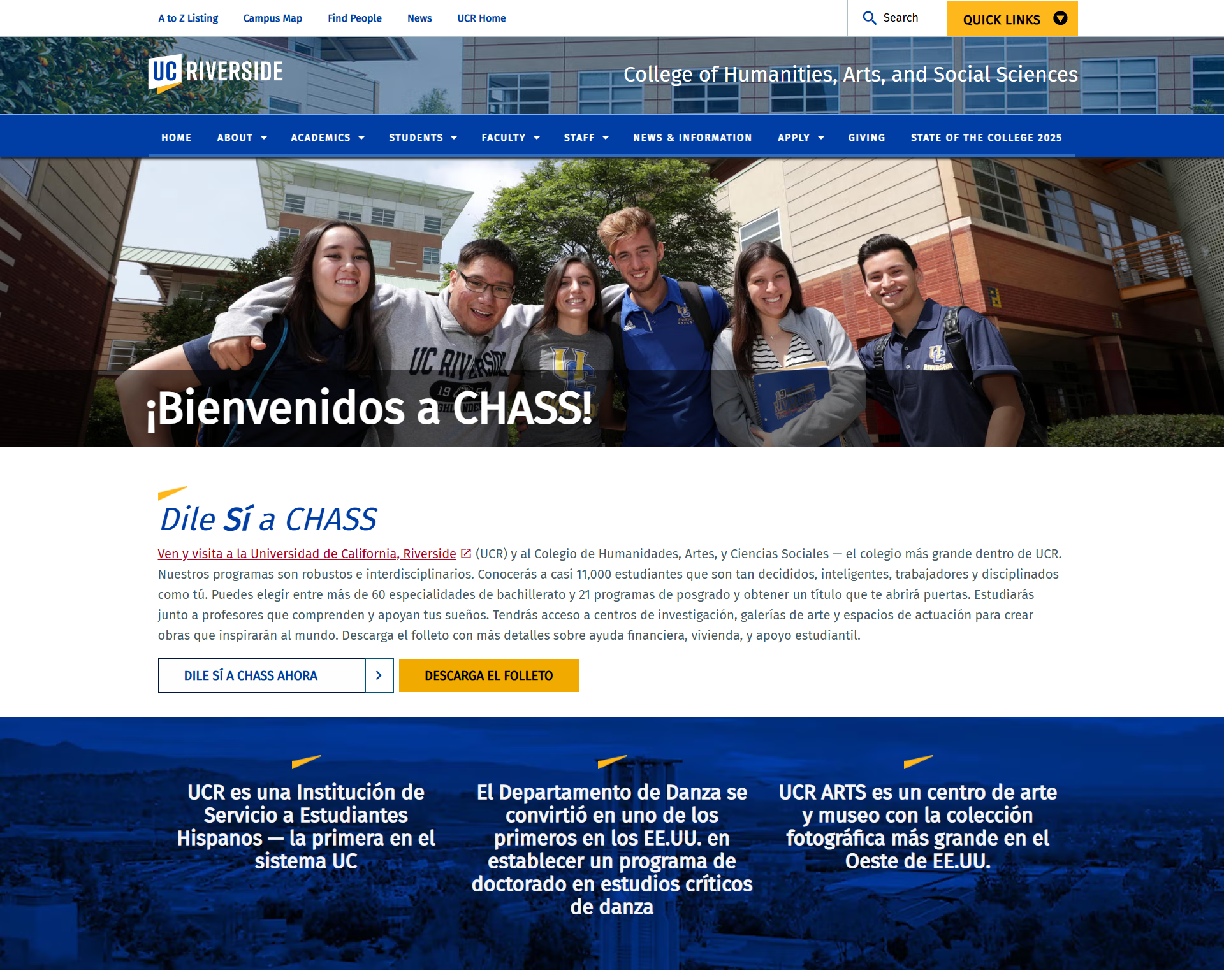
Rather than simply creating a Spanish-language mirror of their site, UC Riverside created a dedicated landing page and video series that features students and staff sharing their heritage.
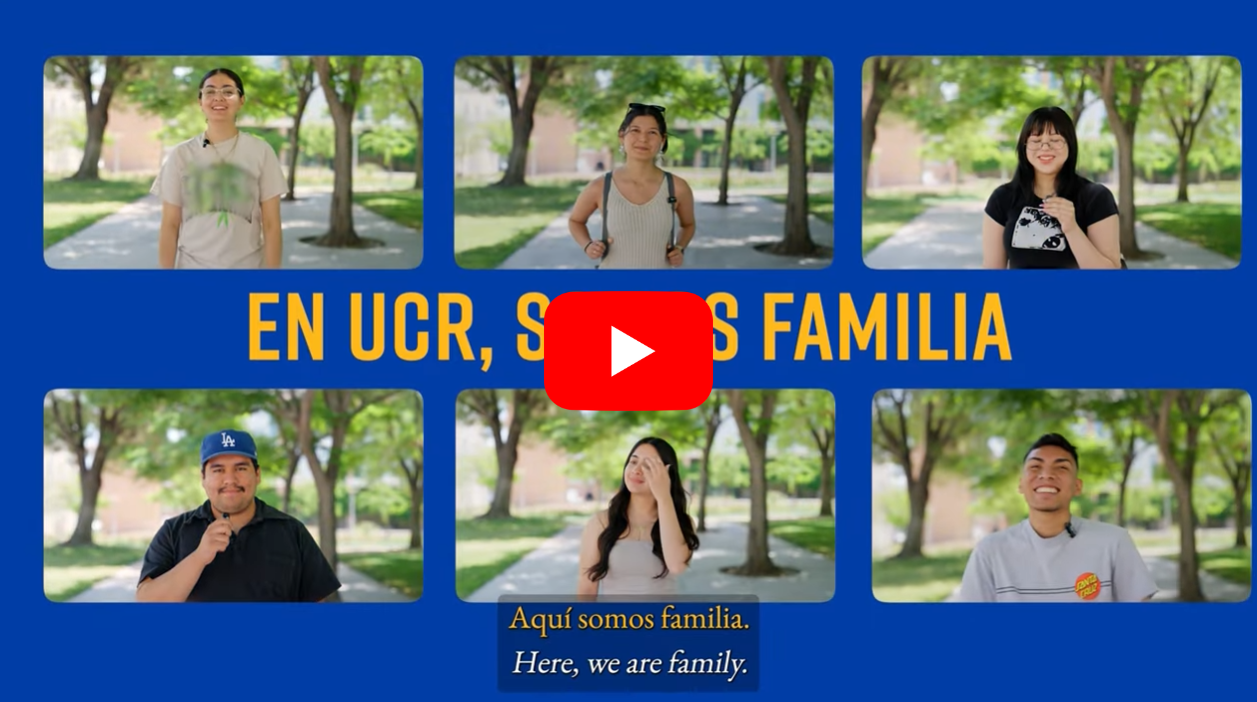
UC Riverside's "Here, we are family" YouTube video includes Spanish-language interviews with students explaining how the school helped them not only learn new skills, but also discover themselves and the world around them.
2. Showcase authentic student voices
Prospective students, especially Gen Z and Gen Alpha, can spot generic representation a mile off and appreciate authentic narratives.
So skip the stock images, staged diversity shots, or AI-generated visuals that flatten real student experiences into something vague and forgettable; use real photos and videos of your students instead.
Student ambassadors, campus creators, and micro-influencers from different backgrounds can tell much more meaningful stories than any polished campaign image.
True, peer-to-peer storytelling that reflects potential students' culture will create a level of personal connection that a polished "universal" ad can't.
The University of Melbourne uses their Murrup Barak TikTok page to let Indigenous students take the lead in storytelling.
This type of "a-day-in-the-life" content highlights a unique combination of modern student life and ancient cultural heritage.
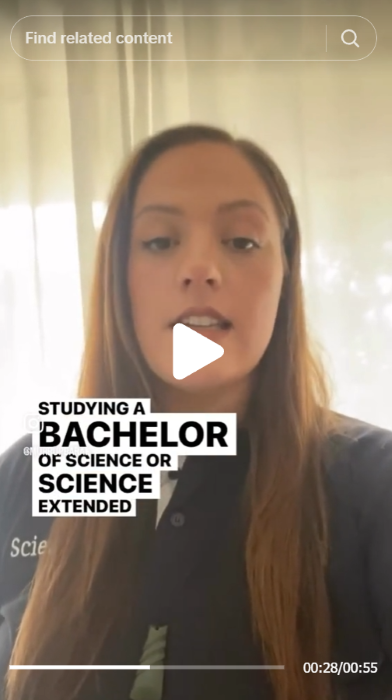
The University of Melbourne's student-led Murrup Barak TikTok page highlights genuine cultural expressions more authentically than any polished "corporate script"
3. Speak students' digital language
Connect with students where they live digitally, adapting your marketing campaign for both culture and platform.
This means leveraging WeChat for Chinese students, and WhatsApp and Instagram for Latin American and Indian students.
Student behavior changes quickly across regions, so it's worth keeping an eye on platform trends to understand where your audiences are spending time.
And in many countries, the smartphone isn't just the preferred device for internet access. It's the main one.
For instance, many in India, Indonesia, and Africa are mobile-first users. So online marketing material and "International Students" landing pages need to be maximized for mobile devices.
The University of Surrey includes a WeChat QR code and ID on their International Study Centre website to connect with prospective and current Chinese students.
This strategy is designed to improve engagement with one of their key international student demographics.
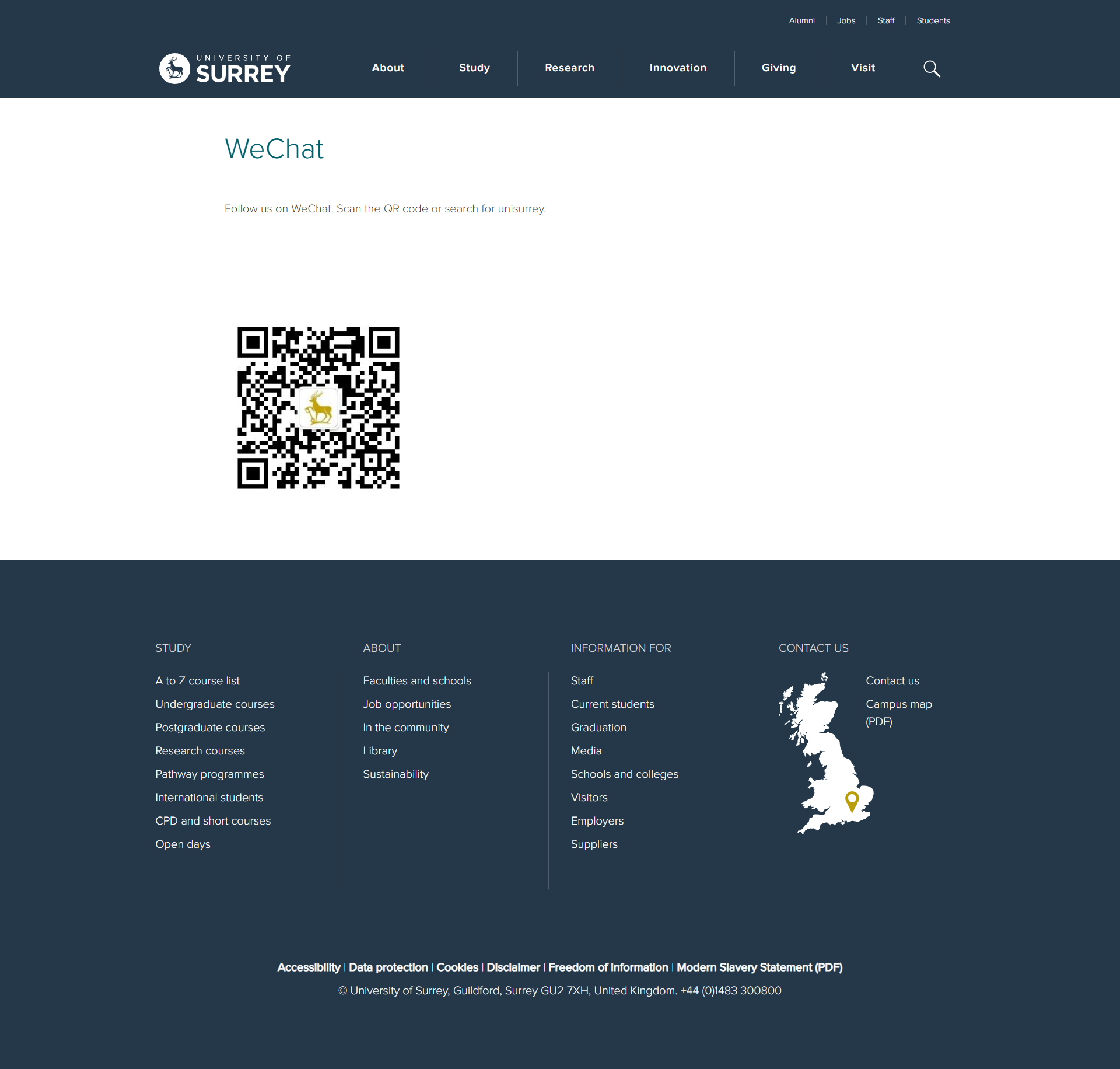
The University of Surrey leverages WeChat for Chinese student recruitment, offering a direct channel for queries and application support
4. Focus on the total student experience
Multicultural higher ed marketing includes life outside of the classroom.
Prospective students from diverse cultural backgrounds crave community and a sense of belonging, not only academic success—especially if they're going to be far away from home, family, and friends.
Foster this by highlighting campus life, student-led clubs and unions, international grocery stores and restaurants, support and mentoring programs, and nearby places of worship.
Since families also play a large role in student recruitment, emphasize quality of life and logistics, including campus safety, visa and financial aid support, and "buddy programs" (designed to bridge the gap between a student's home culture and their new environment).
New York University Abu Dhabi (NYUAD) emphasizes the concept of the "Global Network University," which resonates with international students and families who value global experiences and knowledge.
Often cited as one of the most diverse campuses in the world, NYUAD's student body represents over 120 different countries, with no single nationality forming a majority.
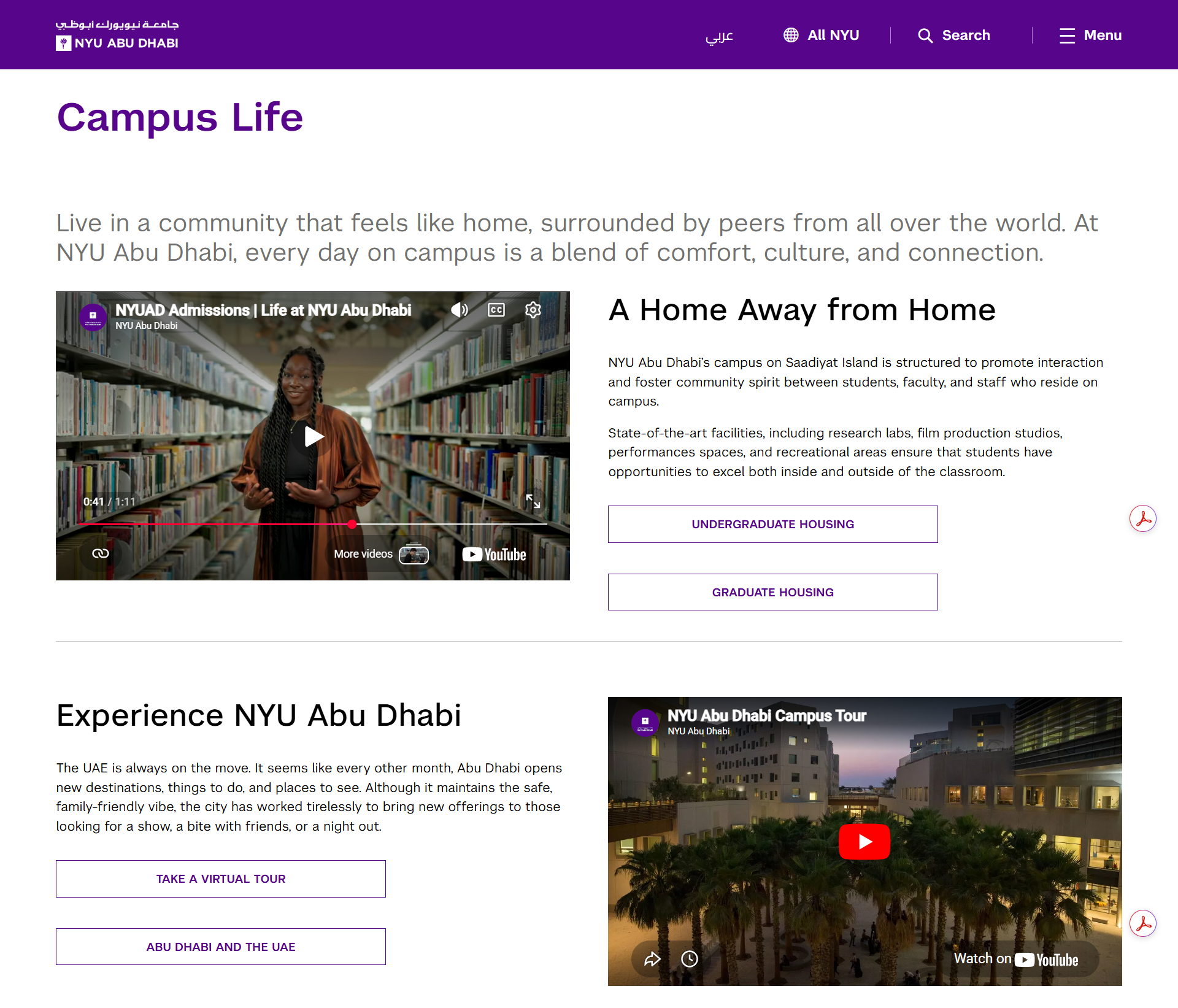
NYUAD's marketing team didn't simply translate their brand; they adapted it to the Middle Eastern context when describing campus life in Abu Dhabi
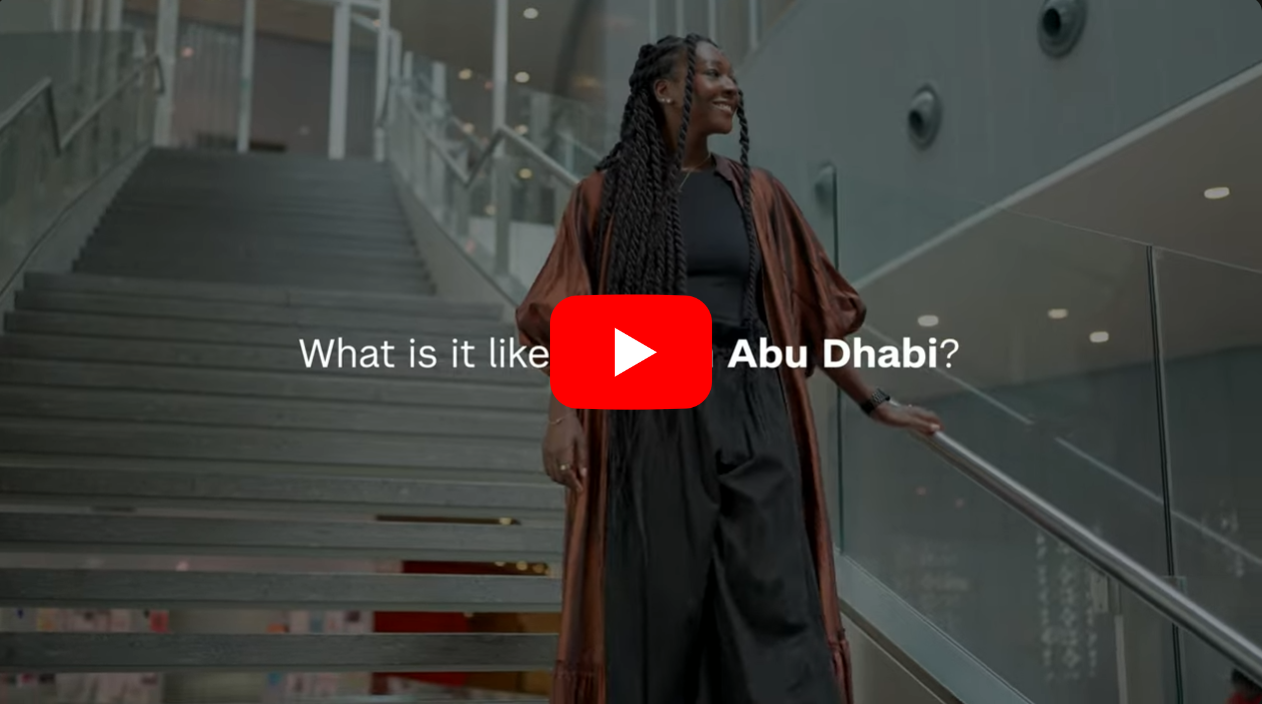
NYUAD's “Life at NYU Abu Dhabi" YouTube video describes what life's like outside the classroom, highlighting the city's safety, entertainment, and cultural opportunities, and the school's buddy system where students are paired with a student from another country in their first-year dorm room
5. Ask the knowledge experts
Tapping into the knowledge of leading professional associations is one of the most effective ways to ensure your recruitment campaigns are ethically sound, data-driven, and culturally competent.
Three widely respected, non-profit industry authorities are NAFSA, NACAC, and AIEA.
NAFSA: Association of International Educators
Focus: International student mobility, immigration regulations, and cross-cultural competency.
NAFSA provides the gold standard for International Enrollment Management (IEM). They help you understand the nuances of recruiting in emerging markets (like Vietnam or Nigeria) without violating local or international laws.
NAFSA's "Market Intelligence" research can tell you which regions are currently seeing the highest demand for your specific programs.
NACAC: National Association for College Admission Counseling
Focus: Ethics of the admission process and the transition from high school to college.
NACAC is the primary author of the "Guide to Ethical Practice in College Admission". Consulting their standards ensures your marketing is truthful and honest.
NACAC's Special Interest Groups (SIGs) has active groups focused on AI in Admissions and Rural Student Recruitment. Engaging with these groups helps your campaign stay up-to-date and relevant.
AIEA: Association of International Education Administrators
Focus: Strategy, institutional leadership, and the "big picture" of campus internationalization.
AIEA focuses on the strategy of leadership, helping you align your marketing with the long-term goals of your university.
AIEA can help you you frame your campaign around "Comprehensive Internationalization." This helps you accurately show prospective students how they'll be integrated into campus life ,as well as the classroom.
Representation must be rooted in reality
Be honest about where you are.
Your campaigns shouldn't overstate your institution's diversity or promise an experience students won't find when they arrive. That gap is quickly felt, and it can affect trust, retention, and your wider reputation.
If multicultural representation is still a work in progress, say that. Be clear about what's already happening, what's changing, and where support is improving.
Prospective students don't expect perfection. They do expect honesty. And when you start with trust, you give global students a much better chance of finding the right home away from home.
How does your college or university ensure cultural fluency to attract global students? Share your tips with us!