
:format()//media/Australia-social-media-ban-RQ.png)
Australian teens woke up on December 9 to the reality of the social media ban for under-16s in the country, a bold move being closely watched by other countries such as France, Norway, and Canada, among others.
As of 10 December 2025, social media platforms like YouTube, Instagram, Facebook, and others have to take "reasonable steps" to prevent Australian teens under 16 from creating or keeping accounts.
And the onus is on the platforms, rather than young students or their parents, but Australian universities and colleges will likely still feel the ripple effects through reach, discovery, engagement, and the shape of the prospect journey.
Some teens are already testing alternatives (Lemon8, Coverstar, and Yope are some examples), but don't sprint to the "next app" just yet: the platform list isn't fixed, and so other apps can be put on notice and potentially captured as the rules evolve.
That makes "we'll just move channels" a risky default for higher education institutions.
What feels like a stable channel today can become restricted tomorrow…and in our decades-long experience, we know that the digital space can change verfy quickly.
So while this week we're talking specifically about Australia, we're really suggesting a set of best practices that assume volatility and suggest strengthening the channels you actually control by building a higher ed communications mix that prioritises owned journeys, searchable content, clear support pathways, and diversified recruitment.
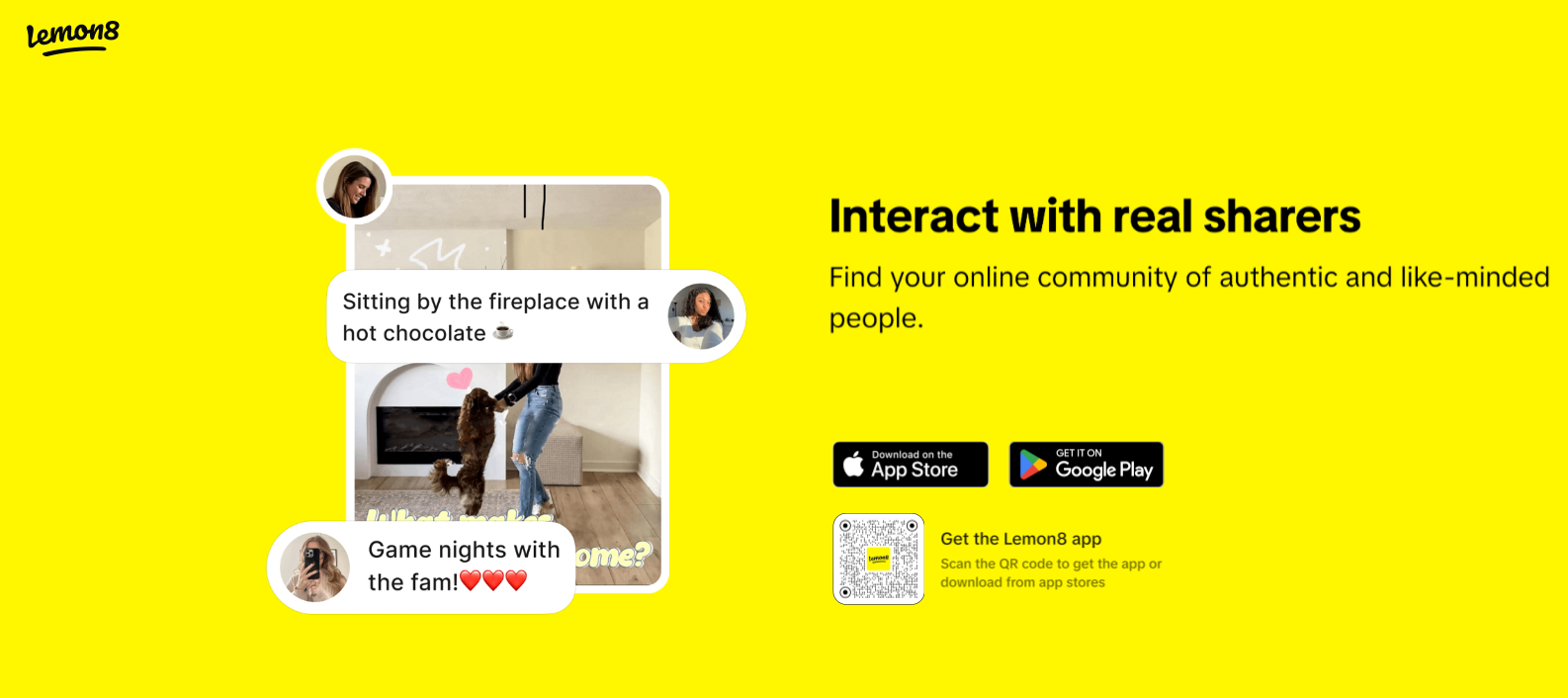
Australian teens are already testing alternatives like Lemon8—but these "next apps" have been put on notice too, and could still fall under Australia's evolving under-16 rules.
What to expect…
It's up to the tech platforms to implement the ban, but we feel higher education institutions will still experience the second-order impacts as this becomes practices, and this might show up as sudden dips in reach, unexpected engagement changes, and audience migration into less visible digital spaces.
Watch for the logged-out experience
If under-16s can't hold accounts, there's likely to be more browsing as they are "logged out" or via shared devices (e.g. think YouTube).
That usually means less personalisation and more friction before your content becomes viewable.
So don't (re)design your student journey assuming a social media algorithm will put your content in front of students, and then carry them from "I saw a post" to "I'm ready to apply." If feeds become less accessible (or less predictable), your journey still needs to work.
Ensure your content still works when someone can't rely on social media.
That means strong page titles, clear summaries, and "next step" links that take prospective students to your website, your virtual tour, your enquiry form, your event booking.

A useful reference point for comms teams: which services eSafety considers age-restricted—and which it currently doesn't.
Shifting messaging and communities
Typically, higher ed "belonging" happens online in DMs, group chats, and account-based communities; but if these are harder to access, those behaviors will probably "reroute" to other places.
But where? We don't know yet; nobody does.
So don't waste resources trying to chase every new space.
Instead, create moments your university or college can own, like live Q&As, student ambassador webinars, campus experience content, and community touchpoints that don't require a social account to participate.
Expect paid social to get noisier
The social media platforms are going to be dynamically adjusting to the youth policies and age assurance requirements, and we think you can expect paid targeting and reporting to become a bit less predictable, with things like shrinking audiences, maybe higher costs, and potentially murkier attribution.
That's not a reason to abandon paid social, of course, but it is a good reason to diversify your strategy across channels that don't require account-holding, like paid search, content syndication with trusted education partners, and event-driven campaigns tend to be more resilient when social conditions change.
Student wellbeing takes center stage
The intent behind the ban ultimately is harm reduction, so looking at it through that lens, what might resonate most is a calm, practical approach that shows students that you take their experiences seriously.
Here's a simple test: Can a student find support in 30 seconds from your homepage?
Lead with clear pathways to help.
Start by making help pathways unmistakably clear.
Wellness messaging earns trust when it's specific: where to get help, how to report concerns, what support actually looks like, and how quickly someone will respond.
Make those pathways easy to find from high-traffic areas like admissions, accommodation, orientation, and student life, not buried in a separate section.
Treat digital wellbeing as part of student success
It also helps to position digital wellbeing as part of student success, in a tone that's supportive and grounded: practical guidance on boundaries, how to handle online conflict, where to report harmful content, how to support a friend, and how to access counselling and safety services.
Create a wellness hub, and use student voices, real scenarios, and plain language, ensuring there's a human at the end of the line.
Include the wider decision ecosystem
If social becomes less "universal" for under-16s, parents, guardians, teachers, and counselors will play an even bigger role in discovery and validation of student university choices.
Consider creating lightweight resources for these audiences, such as pathway guides, Open Day checklists, counsellor toolkits, and admissions explainers that can reduce friction long before application season.
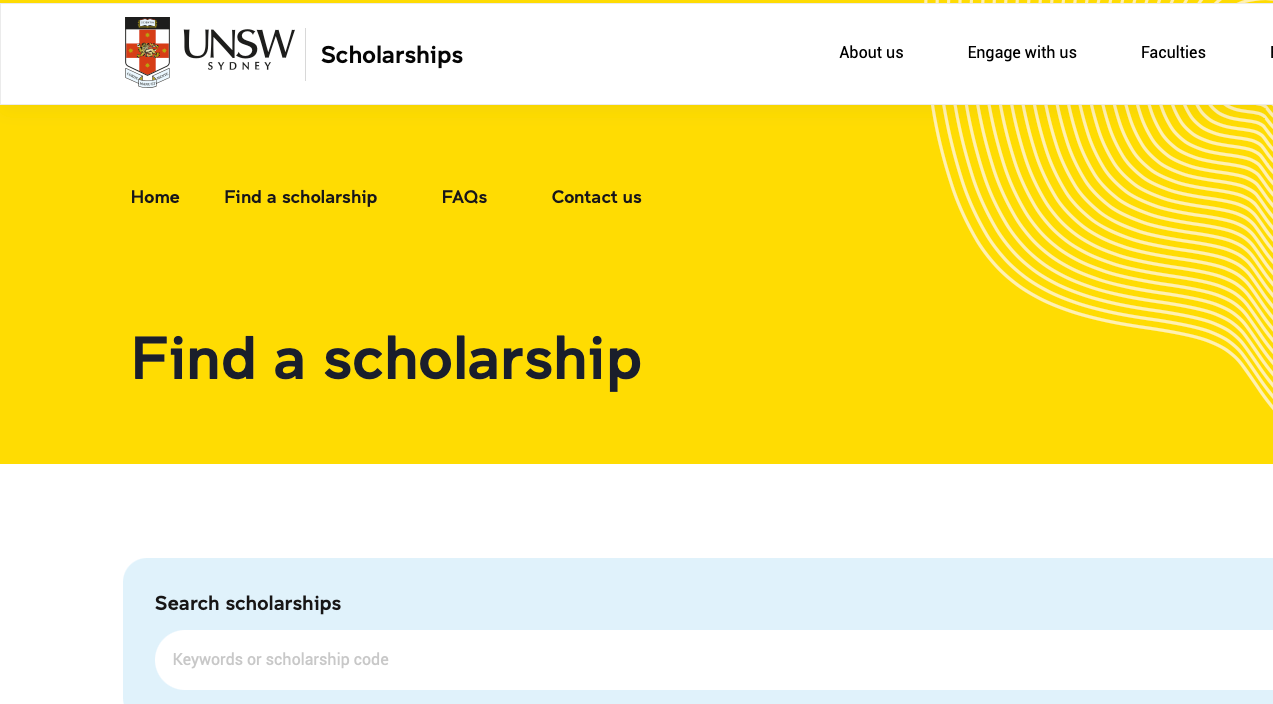
Search-led discovery means students and parents land on practical questions first in University of New South Wales Sydney's scholarship finder page: fees, scholarships, support.
Content strategy shift: searchable answers beat scrollable posts
The biggest shift isn't that students will stop researching.
It's that discovery becomes more intent-driven, which makes your higher education website and content strategy do more work.
Turn program pages into decision pages
When discovery becomes less feed-driven, the centre of gravity moves back to intent.
Teens will still research. They'll just do it differently.
That's good news for higher ed—because you already have the best asset for intent-driven discovery: your website.
But many program pages even now still read like brochures…and what they really need to do is feel like a conversation and answer the questions that will shape prospective students' decisions:
- Outcomes and pathways (what can I do with this degree)
- First-year experience (including student life, what does it look like?)
- Entry requirements (how competitive is it?
- Fees, scholarships and financial aid (how much in debt will I be, is there support?)
- Mental health support (will I be looked after)
- Differentiators between programs (What's the difference between these two programs?)
And structure matters too: use scannable sections and clear "next steps" to help students move from curiosity to action.
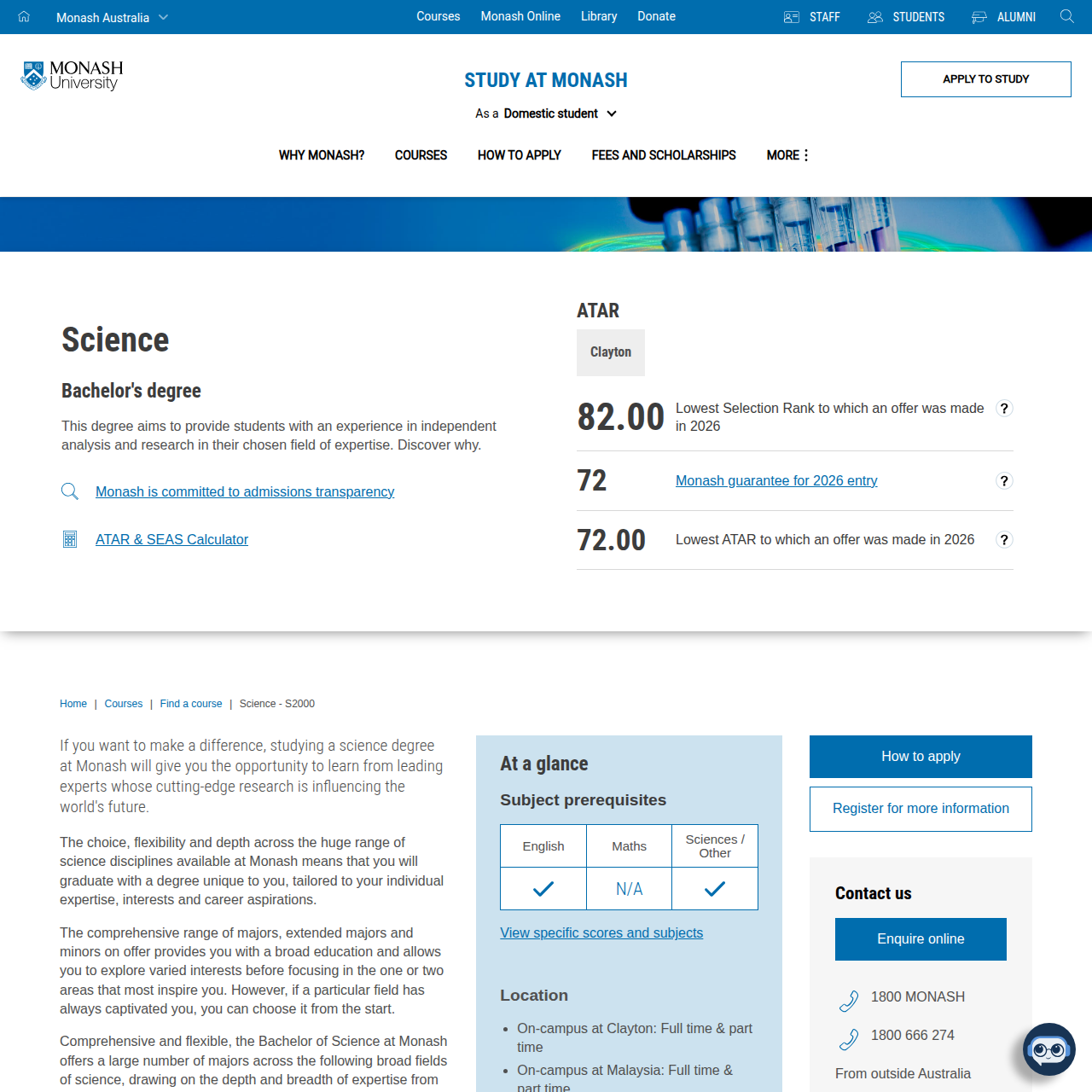
Monash University's Bachelor of Science page showing scannable structure
(majors/fields/overview sections/fees)
Make internal search and navigation genuinely helpful
When prospective students arrive on your site via search or shared links, they often head straight for site search.
If results surface bad results, old PDFs, or dead ends, you lose motivated prospects.
Prioritizing key content types like program pages, admissions pages, scholarships, key student services.
Work with a higher education search solution that integrates with your DXP or CMS to improve tune synonyms (e.g. "res," "accommodation," "housing").
And update your 404 "no results" pages useful by adding suggested links, popular searches, and a way to ask a question.
Win the moments before applications
The under-16 ban doesn't mean students stop exploring.
But it does mean you need to be present in the earlier, research-heavy stages (which is good practice to follow even if your country isn't considering a social media ban).
So build editorial calendars for your content around intent.
For example, pathway content that answers the question, "how do I become a…," subject selection advice, scholarship clarity, parent guides that support decisions, student stories that address real concerns and doubts.
This type of content keeps working across recruitment cycles, unlike posts designed for a short feed lifespan on social.
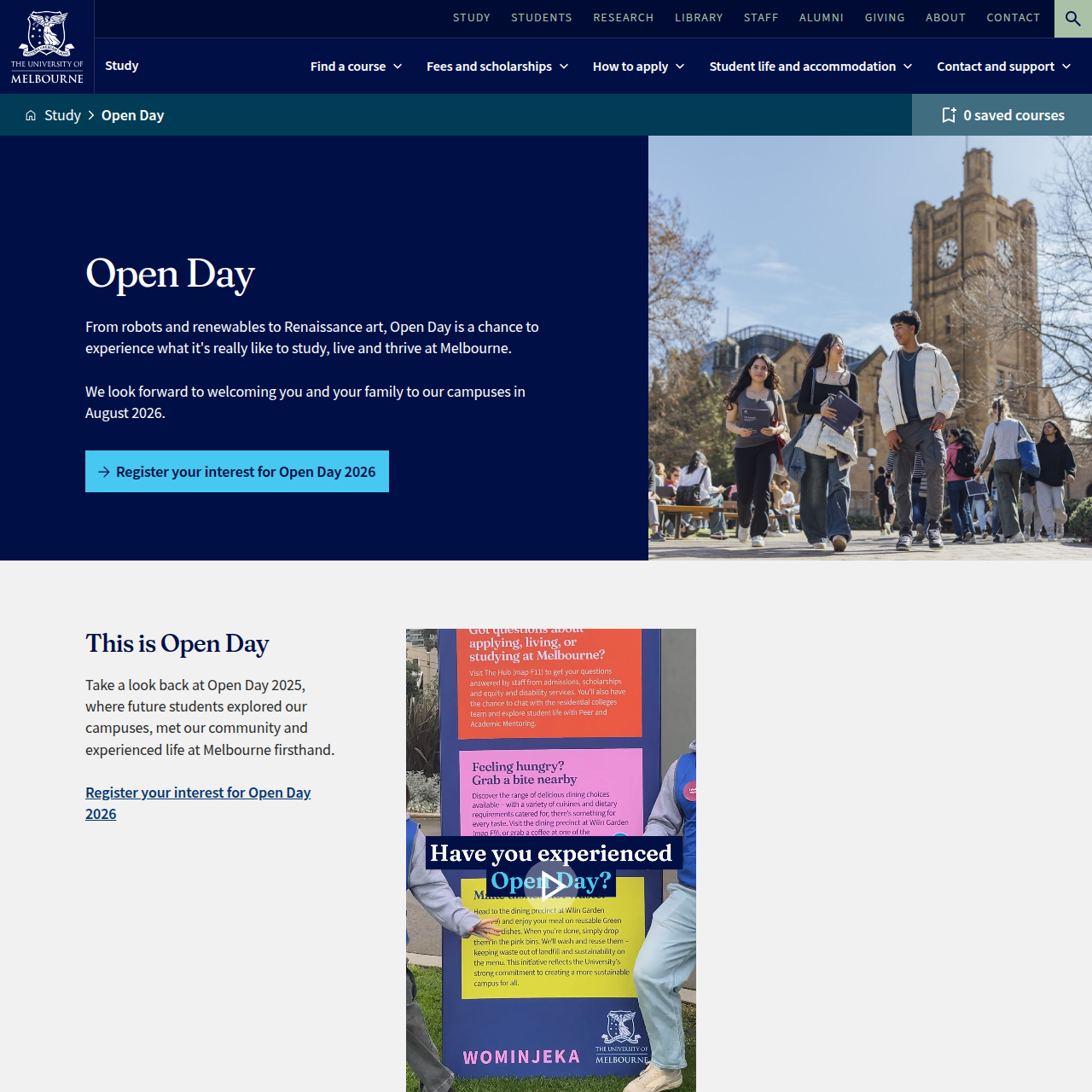
When social gets less predictable, the CTAs you own matter more. Events are a reliable bridge from interest to intent, as University of Melbourne demonstrates.
A practical 'what-now' checklist for higher ed comms teams
This ban isn't "social is dead…" it's "social is no longer guaranteed."
If a good many of your future prospective students can't legally hold accounts, an over-reliance on social for your higher education marketing becomes a strategic risk.
We think the safer approach is a balanced mix:
- search (paid + organic)
- web journeys designed for conversion
- email/SMS opt-ins with clear value
- events (in-person and virtual)
- partner channels (schools, counsellors, education publishers)
- and social as amplification—not the foundation
Here's an immediate, actionable starting point
- Audit your reliance on social: Where does social drive meaningful intent, and where is it just awareness?
- Stress-test your journeys: Can someone find admissions, scholarships, and support without a social account?
- Upgrade your top program pages
- Answer the top 10 questions students ask, above the fold
- Improve internal search and navigation
- Make it easy to move from ‘interested' to next steps
- Build a digital wellbeing hub
- Keep it practical: reporting pathways, support services, and student-first language
- Diversify your outreach: use measurable non-social channels such as search, webinars, school/counsellor partnerships, or trusted education publishers
- Pilot one non-social acquisition channel (search, events, partner content) and measure it properly
- Track intent signals: event registrations, brochure downloads, enquiries, campus tour bookings, and "compare programs" behavior.
- Measure across the whole journey, not just clicks and likes.
Australia's under-16 rules are going to push teams to confront an uncomfortable truth: if your communications plan depends on universal access to social platforms, you're building on shifting ground.
But higher ed can adapt. You won't be able to replace social, but you can maintain steadiness when social becomes unpredictable.
How resilient is your university against major shifts in social media? Share your experience with us.